What is a TOG rating?

Back to Baby Sleep
Spaces
Whether you’re expecting, deep in the newborn trenches or in the toddler vortex, you have probably come across the term TOG and thought...pardon? What is that? Do I need it? How does it work? Do I need a degree in sleepwear? We hear you and you've come to the right place. Welcome to our TOG talk.
reviewed by Genevieve Titov, Sleep Angel
8 min read |
15 February, 2026

This guide breaks down everything you need to know about TOG ratings, from what the number means to which one is right for your baby’s room temperature, what to dress them in underneath, and how to tell if they’re comfortable through the night. Everything you need for peace of mind for you and better sleep for them.

What does TOG mean?    

TOG stands for Thermal Overall Grade. It's a unit of measurement that tells you how warm a fabric will keep your baby. This makes dressing your baby simpler and safer as both overheating and loose layers like blankets, can pose a risk to infant sleep.

We like to think of it like a warmth scale:

So the higher the TOG number (3.5 TOG), the warmer and typically thicker, the garment. These are ideal for colder temperatures as they keep more warmth in. The lower the number (0.2 TOG), the lighter and thinner the fabric, making it better suited for hotter temperatures as it allows for more airflow.

Put simply:

The lower the TOG rating, the lighter the fabric.

The higher the TOG rating, the heavier the fabric. 

You'll see TOG ratings on quality and tested sleep bags, swaddles, and sleep suits. Underneath those, you dress your baby in breathable layers , as recommended on a dressing guide.

Why TOG Ratings Matter for Safer Sleep

Getting the right TOG isn't just about comfort. It plays a part in safer sleep too.

Babies can't regulate their own body temperature the way adults can, especially in the first 12 months. If they're dressed too warmly, they're at higher risk of overheating, which is a known risk factor for SIDS (Sudden Infant Death Syndrome). On the flip side, if they're too cold, they might wake frequently and struggle to settle.

Using the right TOG for your baby's room temperature helps keep them in that comfortable middle zone: warm enough to sleep soundly, but not so warm that it becomes a safety concern.

  • Safety tip: When in doubt, go with the lower TOG. It's always safer for baby to be slightly cool than too warm.

This is also why loose blankets aren't recommended for babies under 12 months. A TOG-rated sleep bag or swaddle should stay in place and give you more predictable, even warmth and therefore removes the risk of covers being kicked off or pulled over baby's face.

Read more: Safer Sleep Guidelines for babies

What TOG Do I Need?

Great question, we'd love to tell you! The good news is you don't need a TOG for every single temperature notch on the thermometer, as each TOG covers a range of degrees. This means there is some flexibility in how you use your breathable layers underneath to achieve the optimum comfort for your baby.

To start:

  1. Check the temperature in your baby's room, or yours if they are a newborn sharing your room.
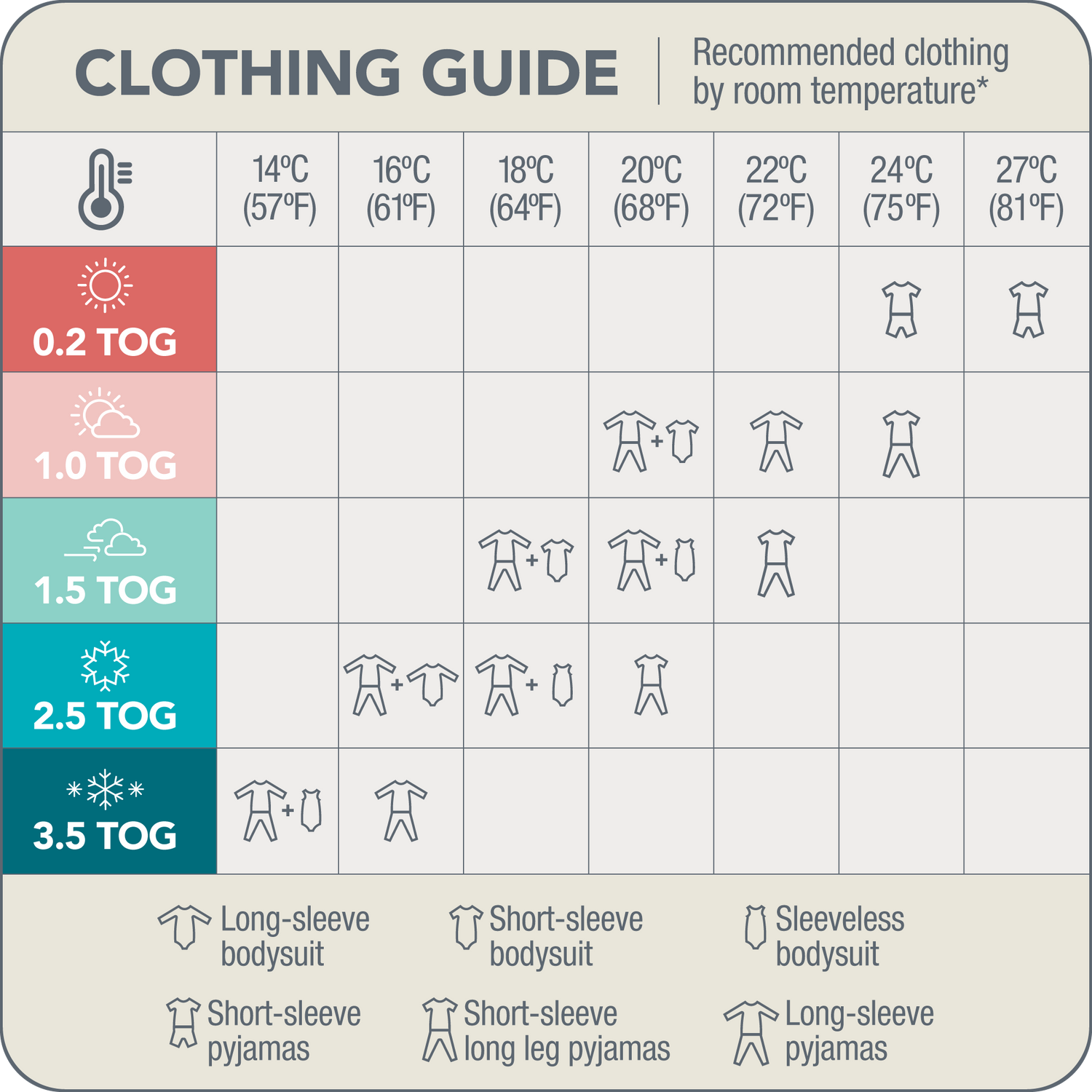
  2. Follow a temperature chart by selecting your room temperature on the top first, then move down the guide to see what TOG and layering options you have.
  3. This is where you will see how you can layer up or down under a TOG rated swaddle, to get more wear across the temperature range.

A thermometer in the nursery is the easiest way to get an accurate reading. Room temperatures can change overnight, so it's worth checking at bedtime and again in the early morning over a couple of nights to get a gauge of the average temperature drop and prepare to dress accordingly.

As a general guide:

For room temperatures between 24°C and 27°C - you'll need a 0.2 TOG baby sleeping bag

For room temperatures between 20°C to 24°C - you'll need a 1.0 TOG baby sleeping bag

For room temperatures between 18°C to 22°C - you'll need a 1.5 TOG baby sleeping bag

For room temperatures between 16°C to 20°C - you'll need a 2.5 TOG baby sleeping bag

For room temperatures below 16°C - you'll need a  3.5 TOG baby sleeping bag

If you need help deciding which TOG is right for you, our Customer Care team are really good at this topic.

TOG temperature chart

Follow our helpful clothing and dressing guide by TOG and temperature to dress your baby comfortably for sleep. Save for later for easy reference during your nap and nighttime routines.

Important: Every child feels hot and cold differently. Ambient temperatures fluctuate, the child's general health and wellbeing will impact body temperature and different clothing and sleepwear layer combinations will differ in their thermal effectiveness. As these factors make it challenging to give absolute and definitive advice to parents and carers, the clothing guide should be used only as a general guide. The parent or carer is best suited to determine the right sleepwear and clothing combinations for the child.

What to Dress Baby in Under Each TOG

The TOG rating covers the sleep bag or swaddle itself, but what baby wears underneath matters too. There is some flexibility to layer up and down within the temperature range, to get the most value from your TOG-rated sleepwear.

Choosing a lightweight, breathable layer that is soft and has slight stretch will allow for comfort, movement and sit flat against the skin under their TOG rated sleepwear.

These are general guidelines. Every baby is different so always check if they are too hot or cold and adjust a layer accordingly.

Try out our new interactive TOG dressing guide and PS - save this link or screen shot your selected TOG for easy dressing at nap and nighttime routine.

TOG temperature chart

Select a TOG rating to see what your baby should wear at each room temperature.

2.5 TOG
16°C
18°C
20°C
Romper (or long-sleeve, long leg pyjamas) and long-sleeve bodysuit

Romper and long-sleeve bodysuit

Romper (or long-sleeve, long-leg pyjamas) and sleeveless bodysuit

Romper and sleeveless bodysuit

Short-sleeve, long-leg pyjamas

Short-sleeve, long-leg pyjamas

Every child is different. The number of clothing layers may vary according to health, physiology and room temperature. This guide is general advice only.

Shop by TOG rating

TOG Ratings by Season

Australia's climate varies a lot depending on where you live, but here's a general guide to help you plan ahead:

Summer (December to February)

In most parts of Australia, nursery temperatures that are not temperature controlled with air conditioning will often sit above 24°C in summer, making a 0.2 TOG the safest bet. On especially hot nights, baby might just need a singlet or even just a nappy underneath. If you use air conditioning and keep the room around 22-24°C, a 1.0 TOG with a short-sleeve bodysuit works well.

Autumn and Spring (March to May / September to November)

The shoulder seasons are the trickiest because temperatures can swing from warm days to cool nights (and then back again). Having both a 1.0 TOG and a 1.5 TOG on hand means you can switch depending on the evening. Be sure to check your nursery temperature at bedtime rather than going off the weather forecast. If you have a 2.5 TOG already, this can be worn up to approximately 20 degrees but layer accordingly and check for signs of being too hot.

Winter (June to August)

If you're wondering what TOG you need for winter, for most winter nights, a 2.5 TOG will do the job. If your home gets really cold overnight (below 16°C), step up to a 3.5 TOG. Layer a long-sleeve bodysuit underneath and you're sorted.

TOG for Newborns vs Babies vs Toddlers

The TOG rating itself doesn't change based on your baby's age. Correct TOG testing will ensure the TOG is relevant to the garment, and not the baby's age or sleep development stage. Here are a few tips when dressing your baby with a TOG rated swaddle or sleep bag:

Newborns (0 to 3 months)

  • Newborns are still learning to regulate their temperature, so they're more sensitive to being too hot or too cold. Generally, the mid TOG ratings (1.0 or 1.5) are a great start unless your home is very cold. Our 1.5 TOG swaddle is a popular choice for newborns as it provides a little more warmth which can be preferable for a hospital environment as well.
  • Shop TOG rated swaddles for newborns

Babies (3 to 6 months)

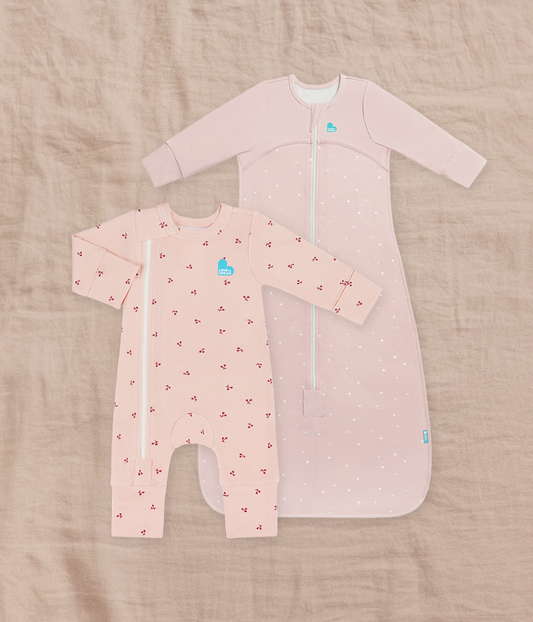
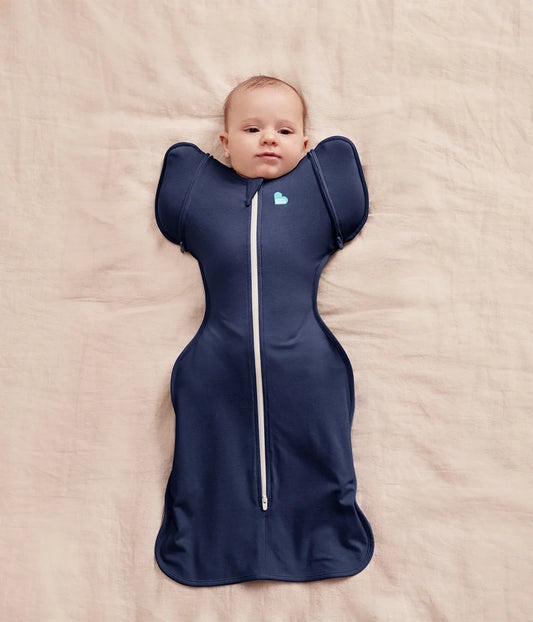
  • This is when most babies transition from a swaddle to an arms-free sleep bag. The Love to Dream™ Transition Bag makes this easy with zip-off wings, whilst still offering the snug security of the swaddle they love but soon, they will be arms free! They are TOG rated so the same logic applies but you may want to pick up a long-sleeve bodysuit to keep their arms covered and comfortable.
  • Shop TOG rated Transition sleeping bags for babies

Read more: When to stop swaddling your baby

Babies + Toddlers (6, 12 months+)

  • Babies that are on the move and toddlers tend to move around a lot in their sleep (and are notorious blanket-kickers). A sleep bag or sleep suit that stays in place, keeps them covered all night without the worry of blankets coming loose or tangled. Hello peace of mind! Our On The Move range comes in the same TOG ratings, just in bigger sizes.
  • Shop TOG rated Sleeping bags and sleep suits

Sleep Bag vs Swaddle: Do TOG Ratings Change?

Nope! A 1.0 TOG swaddle provides the same warmth as a 1.0 TOG sleep bag. The TOG measurement is based on the fabric's insulation, and each product is tested in its specific style, shape and size. So when you're transitioning from swaddle to transition bag to sleep bag, you don't need to change your TOG unless your room temperature has changed. Just match it to the room as usual and follow your dressing guide for layering.

How to Tell if Your Baby is Too Hot or Too Cold

Even with the right TOG, it's good to know the signs that your baby might need an adjustment.

Signs your baby might be too warm

Look for flushed or red cheeks, sweaty or damp hair, a hot or sweaty chest/back or restlessness. If you notice any of these, remove a layer or switch to a lower TOG.

Signs your baby might be too cool

Cool hands and feet are normal in babies and aren't always a reliable indicator. Instead, feel the back of their neck or their chest. If the skin there feels cool to the touch, add a layer or consider stepping up to the next TOG.

The neck/chest check

Slide your hand down the back of baby's neck or onto their chest. It should feel comfortably warm, not hot or clammy, and not cold. This tells you more than checking their hands or feet, which tend to run cooler naturally.

Read more: Signs your baby is too hot or too cold while sleeping

Remember: You know your baby best. These are guidelines to help but trust your instincts. If something doesn't feel right, check and adjust.
How We Test Our TOG Ratings

Published TOG ratings should be considered in conjunction with our specific clothing guides (found online and on pack) and are from test results that we believe reflect the appropriate TOG when used in conjunction with our clothing guides.

Test methods are EN ISO 11092, ASTM 1291 (modified to the same parameters as EN ISO 11092) and ISO 5085-1.

We believe that our TOG ratings, together with our clothing guides, help parents and carers make the best decision on how to dress their child at different room temperatures. We also provide guidance on how the parent or carer can check if the child is too hot or too cold. This is important in empowering the parent or carer to decide what is best for their child. All children are different. The number of clothing layers required may vary according to a child's health, their physiology, the room temperature, the outside temperature and other factors. The care-giver must determine what is suitable. We do not provide medical advice.
Frequently Asked Questions

Can I layer bags to increase the warmth?

No. Layering one sleep bag over another is not recommended. The TOG ratings are designed to provide the right level of warmth on their own. Doubling up can lead to overheating, which is a safety risk. Instead, choose the correct single TOG for your room temperature and adjust what baby wears underneath

What do babies wear underneath a sleep bag or swaddle?

It depends on the TOG rating and your room temperature. As a general guide, a bodysuit, romper, onesie or pyjamas are worn under a sleep bag or swaddle. Always check the clothing guide on your product's packaging for specific recommendations.

Do I still need to swaddle on top or underneath a TOG rated swaddle?

Nope! Our TOG rated swaddles replace the need for extra blankets or wrapping. It's a one and done sort of situation. Less layers, less stress!

Do I still need to use a blanket?

No. For babies under 12 months, loose blankets are not recommended as part of safer sleep guidelines and for older babies, blankets often come with a range of challenges. They can be kicked off and the development might not be there yet to be able to put it back on easily. Cue many night disturbances. A TOG-rated sleep bag or swaddle is like a wearable blanket and replaces the need for blankets entirely. They provide more consistent, predictable warmth and stay put so no middle-of-the-night tuck ins needed

Do I have to use a TOG-rated swaddle or sleep bag?

You don't have to, but it makes life a lot easier. A TOG-rated product takes the guesswork out of dressing your baby for sleep. Without one, it can be tricky to know whether your baby is warm enough (or too warm). Plus, sleep bags and swaddles are often recommended over loose blankets as part of safer sleep guidelines as they reduce the need for loose layers in the sleep space.

I have a second-hand Love to Dream™ product. How can I tell what the TOG is?

Check the label inside the garment, which should show the TOG rating. If the label is faded or missing, our Customer Care team are legendary at solving these mysteries. Reach out to them and they'll do their best to help you identify the product and its TOG rating

Show moreless

Swaddle Up
Transitioning

Sleep Suits
Sleep Bags

Most popular

See all
Why Sleeveless Sleeping Bags Are Safer Than Blankets
What Should A Baby Sleep In? A sleepwear guide by age and stage
How To Dress A Baby In Winter For Sleep