Can My Newborn Sleep With A Dummy?

Back to Baby Sleep
 It's 3am. Your newborn has finally drifted off, dummy bobbing away, and you're frozen mid-tiptoe in case you wake them. Then the question hits: is this actually okay? If you've wondered whether your newborn can sleep with a dummy, or whether to take it out once they're asleep, you're in good company. Here's what you need to know, from the benefits and safety tips to when it's time to say goodbye, so you can decide what works for your family. 
Love to Dream
5 min read |
24 September, 2026

Quick answer:

Yes, your newborn can sleep with a dummy. Red Nose Australia says using a dummy consistently is associated with a reduced risk of SIDS. If you're breastfeeding, wait until feeding is established (usually around four to six weeks), and if the dummy falls out once your baby is asleep, don't put it back in

Need more info? Read on, we'd love to help! 

What Is A Dummy?

A dummy (also called a pacifier) is a small, soft teat your baby can suck on for comfort between feeds. Most have three parts: the teat, a shield that sits against their lips, and a handle (very handy for finding it in the dark).

Babies are born with a strong sucking reflex. A dummy gives that natural instinct somewhere calm to go, day or night.

What Are The Benefits Of Using A Dummy During Sleep?

A dummy can help your baby settle, and it comes with a few well-supported perks:

  • Soothing effect: Sucking is one of the ways babies naturally calm themselves, so a dummy can help them feel settled and drift off more easily. (Fingers crossed.)
  • Linked to a lower risk of SIDS: Red Nose Australia says that using a dummy consistently is associated with a reduced risk of SIDS. If your baby doesn't take to one, that's okay. Just keep following safer sleep guidelines.
  • Comfort between feeds: A good option for babies who aren't hungry but still want to suck.
  • Easier to wean than a thumb: You can't take a thumb away. A dummy can be phased out gently when the time is right.

Should You Remove The Dummy Once Your Baby Falls Asleep?

No, there's no need to take it out. Your baby can keep sleeping with the dummy in, and if it falls out during sleep, Red Nose advises not to put it back in.

If they're sleeping soundly without it, let them be. A sleeping baby is best left to it.

Dummy Safety Tips For Baby Sleep

A few simple habits help keep dummy use safer during sleep:

  • Check the standard: Make sure your dummy meets the Australian mandatory safety standard for babies' dummies. One-piece designs are a good choice.
  • Wait for breastfeeding to settle: If you're breastfeeding, hold off until feeding is established, usually around four to six weeks.
  • Keep it unattached: Never tie a dummy to your baby's hand, neck or cot, and keep dummy chains and soft toys out of the sleep space.
  • Back to sleep: Always place your baby on their back, on a firm, flat mattress with no loose bedding or toys.
  • Skip the sweet stuff: Never dip a dummy in honey, sugar or anything sweet.
  • Check and clean: Wash dummies regularly and replace them at the first sign of wear or damage.
  • Never force it: Red Nose recommends only using a dummy if your baby happily accepts it.

When To Wean Your Baby Off The Dummy

Choosing when to stop really depends on your baby and your family. Red Nose suggests starting to phase out the dummy after your baby's first birthday, and stopping completely between two and four years of age to reduce the risk of teeth growing out of line. If your baby gets frequent ear infections, it's worth chatting to your GP about cutting back sooner.

There's no need to go cold turkey. Gentle and gradual usually works best:

  • Keep the dummy for naps and bedtime only to start with
  • Gradually shorten the time your baby uses it each day
  • Swap in other comfort, like cuddles, a gentle back rub or a quiet lullaby
  • Build a calm, predictable bedtime routine so the dummy becomes one part of settling, not the whole thing

Why What They Wear To Bed Matters For Sleep

Comfort doesn't stop at the dummy. Soft, snug-fitting sleepwear keeps your baby cosy without loose blankets in the cot, which is exactly what safer sleep guidelines recommend.

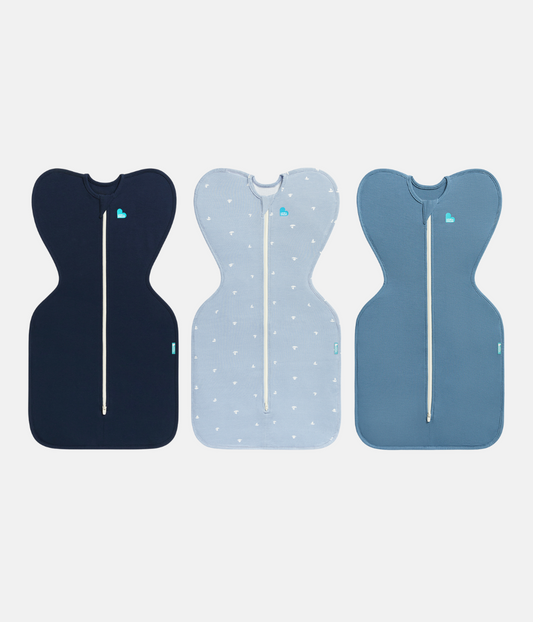
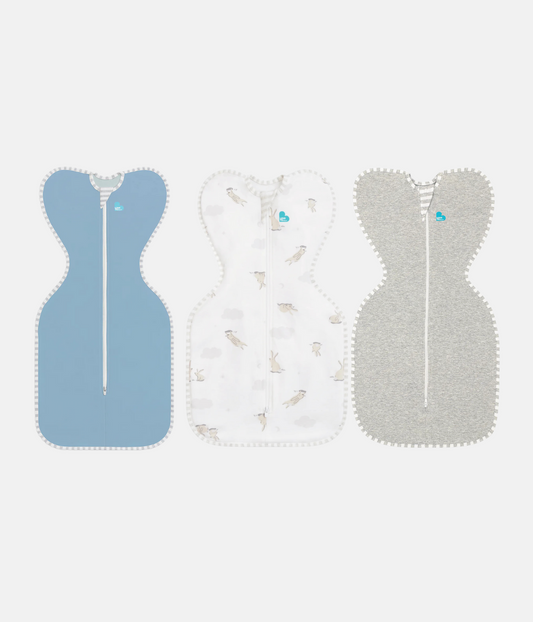
The Swaddle Up™ is designed to let babies sleep in their natural arms-up position, so they can bring their hands to their face to self-soothe, just like they did in the womb. Pair it with a dummy and a calm bedtime routine, and you've got a settling setup that works with your baby's instincts, not against them.

FAQs About Dummies And Sleep

Can Using A Dummy During Sleep Disrupt My Baby's Teeth Development?

Not in the early months. Longer-term use can affect how teeth line up, which is why Red Nose recommends stopping between two and four years of age. Keeping dummies clean and free of anything sweet also helps protect those first little teeth.

What Should I Do If My Baby Wakes Up And Wants The Dummy Back?

If your baby wakes and is unsettled, it's fine to offer the dummy again to help them drift back off. Just don't put it back in while they're still asleep. Over time, many babies learn to settle back to sleep on their own. If you're on dummy duty several times a night and it's causing more wake-ups than it solves, that may be a sign it's time to start gently weaning.

Is It Safe For Babies To Sleep With A Dummy All Night?

Yes. Your baby can sleep with a dummy through the night, as long as it's clean, meets the Australian safety standard and isn't attached to anything. If it falls out while they're asleep, leave it out.

Do Dummies Reduce The Risk Of SIDS?

Red Nose Australia says using a dummy consistently is associated with a reduced risk of SIDS. A dummy works best alongside the other safer sleep basics: back to sleep, a firm, flat mattress, and a cot free of loose bedding and toys.

Key Takeaway

A dummy can be a helpful part of your newborn's sleep, and Red Nose links consistent use with a reduced risk of SIDS. Wait until breastfeeding is established, keep it clean and unattached, and don't stress if it falls out. When the time comes, wean gently. Paired with snug, comfy sleepwear and a calm routine, it's one more way to help your little one (and you) get some hard-earned sleep.

For more expert baby sleep advice, visit the Love to Dream™ blog.

Most popular

See all
Can My Newborn Sleep With A Dummy?
How To Stop A Toddler Climbing Out Of Cot
At What Age Do Babies Sleep Through the Night?