


Gifting has never been easier
Perfect if you're short on time or are unable to deliver your gift yourself. Enter your message and select when to send it.


A low sleep needs baby regularly sleeps less than the typical range for their age, but still wakes up happy, alert and growing well. Their mood is your best guide: wakeful and content usually means they're getting enough. Rather than chasing more sleep, work with their rhythm by stretching awake times a little, keeping bedtime consistent and making their sleep space calm and comfortable.
Low sleep needs means your baby regularly sleeps less than the typical amount for their age, yet thrives on it. Sleep recommendations are ranges, not targets, and every little one lands somewhere different within them.
Australia's 24-hour movement guidelines recommend, across 24 hours:
As Raising Children Network puts it, babies' sleep needs vary just like adults' do, and your baby might be doing well on more or less sleep than others the same age. A low sleep needs baby usually sits at the lower end of these ranges, or a little under, without any fuss.
Want the full picture by age? Our guide to how much sleep a baby needs breaks it down stage by stage.
The biggest clue isn't the number on the clock. It's how your little one is when they're awake. Signs include:
Low sleep needs or overtired? An overtired baby can look wide awake too. If you're regularly seeing eye rubbing, grizzling, clinginess or meltdowns, they may need more sleep, not less. Our guide to overtired baby signs can help you tell the difference.
There's rarely one single reason. A few things can shape how much sleep your little one needs:
Consistent or situational? Jot down sleep times for a week or two. If short sleeps are the norm and your little one is content, it's likely just how they're wired. If it's new, or comes with grumpiness, it may be situational, like a sleep regression or a nap transition.
The goal isn't to squeeze in more sleep. It's to make the sleep they do have calm and restful, and to shape your day around their natural rhythm.
For most families, low sleep needs is simply part of their little one's personality. It's worth checking in with your GP or child and family health nurse if your baby or toddler:
Raising Children Network notes that many children snore without having a sleep problem, but it could be worth a GP visit for clarity. And if anything doesn't feel right, trust your gut. You know your little one best.
Whether your little one sleeps 11 hours or 15, you want every one of them to be comfortable. Breathable, well-fitted sleepwear helps them stay at a comfortable temperature, and zipping into the same sleeping bag each night becomes a gentle cue that sleep is coming.
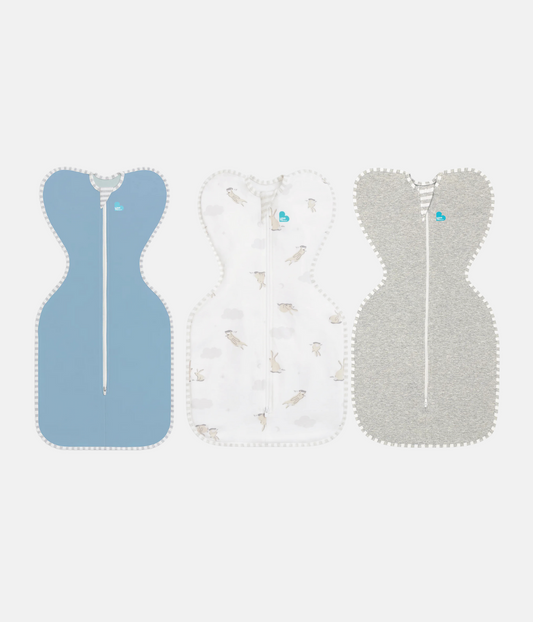
For newborns, the Swaddle Up™ lets them sleep in their natural arms-up position, so they can bring their hands to their face to self-soothe. As they grow, our sleeping bags and sleep suits keep them snug without loose blankets. Choose a TOG rating to suit the room temperature, and they're set. It's what we've been doing since 2008: helping little ones Love to Dream™.



Yes. Sleep needs vary from baby to baby, just like they do for adults. If your little one is happy, alert and growing well, sleeping at the lower end of the range for their age is usually nothing to worry about.
Look at their mood rather than the hours. A baby who is awake and content is probably getting enough sleep. One who is often grizzly, rubbing their eyes or hard to settle may need more.
It's a popular idea online, but there's no good evidence that needing less sleep means a baby is smarter. Sleep needs are part of your little one's individual makeup, just like their temperament. What matters most is that they're happy, healthy and developing well.
Absolutely. A low sleep needs toddler might drop their day nap earlier than others, or happily wake before the sun. If they've given up their nap, a short quiet time with books or calm play can help them (and you) recharge.
You can't make a baby sleep more than they need, and trying to force longer sleeps often means more time spent resettling. Focus on a calm, consistent routine, a comfortable sleep space and following their tired cues.
Some babies and toddlers simply need less sleep, and that's okay. If your little one is happy, alert and growing well, trust what you're seeing over what the chart says. Work with their rhythm, keep bedtime calm and consistent, and check in with your GP or child and family health nurse if something doesn't feel right. Here's to restful nights, even if they're a little shorter.
Looking for more support? Explore our baby sleep blog for tips and guides for every stage.